Mastering Sport Brochure Design Template: Avoid Common Pitfalls and Create Impact
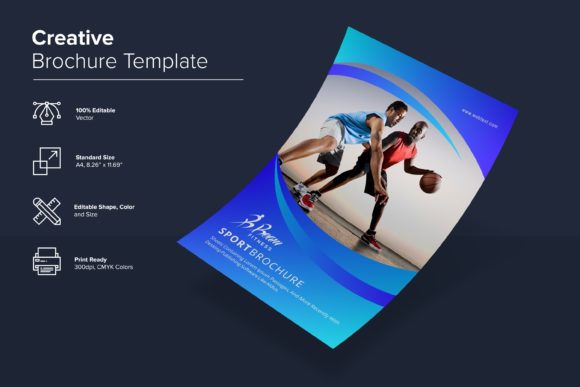
When it comes to creating a professional and visually appealing brochure for your sport-related business, the Sport Brochure Design Template can be a game-changer. It offers a structured foundation that saves time, ensures consistency, and enhances the overall presentation of your message. Whether you're promoting a local sports team, organizing an event, or launching a fitness brand, a well-designed brochure can make all the difference in capturing attention and driving engagement.
Why Choose a Sport Brochure Design Template?
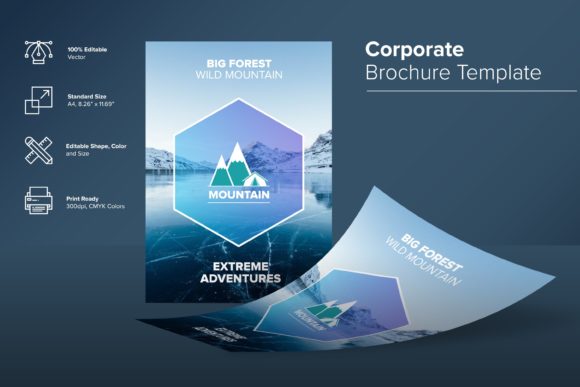
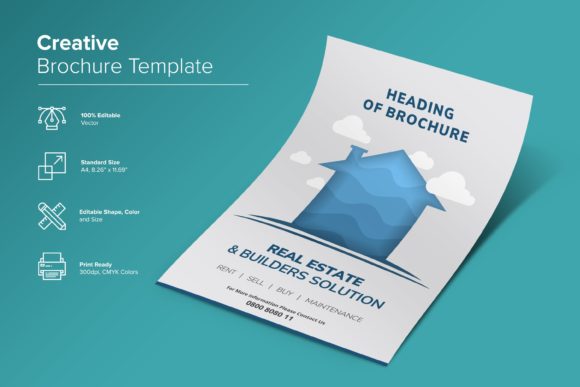
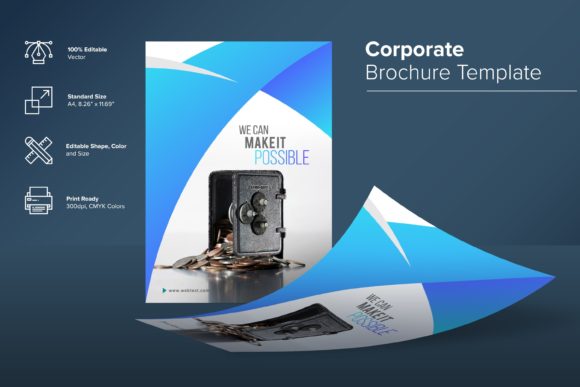
A Sport Brochure Design Template is more than just a layout—it's a strategic tool that helps you communicate your brand effectively. These templates are designed with clarity, functionality, and aesthetics in mind, making them ideal for both beginners and professionals. They often include pre-designed sections for event details, team information, schedules, and contact information, allowing you to focus on content rather than design.
Moreover, many templates come with built-in features like customizable color schemes, font options, and layout variations. This flexibility ensures that your brochure aligns with your brand identity while maintaining a clean and professional look.
Common Mistakes to Avoid When Using a Sport Brochure Design Template
While using a Sport Brochure Design Template can streamline your workflow, there are several common mistakes that can undermine its effectiveness. Here are some pitfalls to watch out for:
- Overlooking Brand Consistency: A brochure should reflect your brand’s visual identity. If your template doesn’t match your logo, color scheme, or typography, it may confuse your audience or dilute your brand message.
- Ignoring Readability: Even the most beautiful design can fail if the text is hard to read. Ensure your fonts are legible, contrast is strong, and text blocks are appropriately sized.
- Using Too Many Visual Elements: Overloading your brochure with images, icons, and graphics can make it cluttered and overwhelming. Keep the design simple and focused on key information.
- Not Testing Across Devices: Your brochure may look great on screen but could be difficult to read when printed. Always test how your design appears at different sizes and resolutions.
- Skipping the Proofreading Step: Typos and grammatical errors can damage your credibility. Take the time to review your content carefully before finalizing the design.
How These Mistakes Can Impact Your Results
Making these mistakes can have serious consequences. For instance, a lack of brand consistency can lead to confusion among your audience, reducing the effectiveness of your marketing efforts. Poor readability can result in missed opportunities, as potential customers may lose interest or misunderstand your message. Overly complex designs can also cause frustration, leading to a negative perception of your brand.
On the other hand, a well-executed brochure can enhance your visibility, build trust, and drive conversions. It serves as a tangible representation of your brand and can leave a lasting impression on your audience.
Practical Tips for Better Results
To avoid these common pitfalls, consider the following tips:
- Choose a Template That Matches Your Brand: Look for a Sport Brochure Design Template that aligns with your brand colors, fonts, and style. This ensures a cohesive and professional appearance.
- Keep the Layout Clean and Simple: Use ample white space, clear headings, and easy-to-read fonts. Avoid overcrowding your design with too much text or visuals.
- Test Your Design on Multiple Devices: Preview your brochure on different screens and print sizes to ensure it looks good everywhere. This includes checking how it appears on mobile devices and physical printouts.
- Proofread and Edit Carefully: Review your content multiple times to catch any spelling or grammar errors. Consider having a colleague or friend review it as well.
- Use High-Quality Images: If your brochure includes photographs or illustrations, ensure they are high-resolution and relevant to your message. Low-quality images can detract from the professionalism of your design.
What to Check Before Finalizing Your Design
Before printing or sharing your final brochure, take a moment to review the following aspects:
- Does the Design Reflect Your Brand Identity? Check that all elements—colors, fonts, and imagery—align with your brand guidelines.
- Is the Information Clear and Concise? Ensure that your content is easy to understand and that your message is communicated effectively.
- Are All Files Properly Exported? If you’re using a Sport Brochure Design Template from a digital platform, confirm that all files are exported in the correct format (e.g., PDF, JPEG) and resolution (e.g., 300 dpi).
- Have You Included Necessary Contact Details? Make sure your brochure includes accurate and up-to-date contact information, such as website URLs, social media links, and phone numbers.
- Is the Design Responsive? Test how your brochure appears on different devices and screen sizes to ensure it remains readable and visually appealing.
Conclusion
Using a Sport Brochure Design Template can significantly improve the quality and efficiency of your marketing materials. However, it’s essential to approach the process thoughtfully to avoid common mistakes that could harm your results. By focusing on brand consistency, readability, and simplicity, you can create a brochure that not only looks great but also delivers your message effectively.