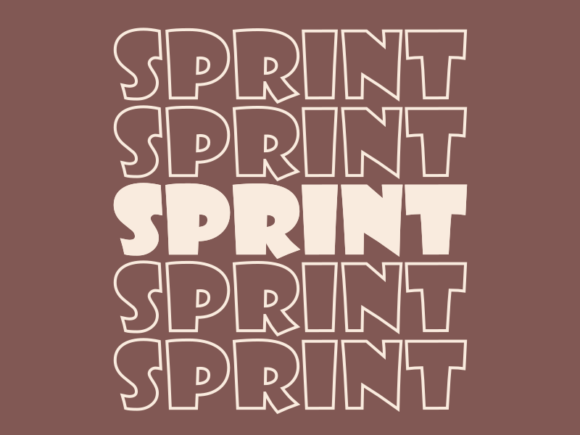
What Is a Sprint Svg Cut File and Why It Matters for Your Projects
If you're looking to create custom designs with precision and flexibility, you've likely come across the term "Sprint Svg Cut File." This is not just another file type—it's a powerful tool that can transform your creative process. A Sprint Svg Cut File is essentially a scalable vector graphic (SVG) that allows for high-quality cutting on machines like Silhouette or Cricut. Unlike traditional raster images, SVGs maintain their clarity at any scale, making them ideal for a wide range of applications.
The versatility of Sprint Svg Cut Files is one of their greatest strengths. Whether you're crafting personalized invitations, designing promotional materials, or creating home décor items, these files offer endless possibilities. But before you dive in, it's important to understand what makes a good Sprint Svg Cut File and how to choose the right one for your needs.
Common Mistakes When Choosing Sprint Svg Cut Files
Many users overlook key factors when selecting a Sprint Svg Cut File, which can lead to subpar results. One common mistake is assuming that all SVG files are created equal. Not every SVG is optimized for cutting, and some may lack the necessary details or structure required by digital cutting machines.
Another frequent error is not checking the file format. While most SVGs are compatible with cutting machines, some may require conversion or additional software to work properly. Always verify that the file is clean, well-structured, and free from errors such as missing paths or incorrect layering.
Additionally, many people fail to consider the resolution and complexity of the design. High-detail graphics may not cut cleanly if they're too intricate or if the machine isn't equipped to handle them. It's crucial to match the complexity of the design with the capabilities of your machine to ensure smooth and accurate cuts.
How These Mistakes Affect Your Results
Misjudging the quality or compatibility of a Sprint Svg Cut File can lead to frustrating outcomes. Poorly structured files may result in incomplete cuts, jagged edges, or even machine malfunctions. Inaccurate designs can also impact the overall appearance of your finished project, reducing its professional appeal.
Moreover, using an incompatible or low-quality file can waste time and materials. If you're working on a tight deadline or budget, these inefficiencies can be costly. By avoiding these mistakes, you can streamline your workflow and achieve better results with less effort.
Practical Tips for Selecting the Right Sprint Svg Cut File
To ensure you're getting the best possible Sprint Svg Cut File, start by evaluating the source. Reputable creators often provide detailed descriptions of their files, including compatibility, resolution, and intended use. Look for files that are specifically labeled as "cuttable" or "ready for use with Silhouette/Cricut."
Next, review the file's structure. Open the SVG in a text editor or a vector graphics program to check for any errors or inconsistencies. A well-structured file should have clear layers, defined paths, and no unnecessary elements that could interfere with the cutting process.
It's also wise to test the file on a small scale before committing to a full project. Print a sample or cut a simple shape to see how the file performs. This helps identify any potential issues early on and ensures that the file meets your expectations.
Realistic Examples of Better Choices
Imagine you're creating a set of custom stickers for a local business. You find an SVG file that looks great on screen, but when you try to cut it, the edges are uneven and parts of the design are missing. This happens because the file wasn't optimized for cutting—missing paths and poor layering caused the machine to misinterpret the design.
A better approach would be to select an SVG that's specifically designed for cutting. These files often include pre-defined layers, clear outlines, and minimal detail that doesn't interfere with the cutting process. They may also include instructions or notes from the creator, helping you avoid common pitfalls.
What to Check Before Using a Sprint Svg Cut File
Before downloading or purchasing a Sprint Svg Cut File, take a few moments to assess its suitability. First, confirm that the file is compatible with your machine. Some files may require additional software or plugins to function properly.
Next, examine the file's resolution and complexity. High-resolution files are generally better for detailed designs, while simpler files are more suitable for basic shapes or outlines. Consider the purpose of your project—will it require intricate details, or is a straightforward design sufficient?
Finally, look for user reviews or feedback about the file. Other creators or users may have encountered similar issues and can offer valuable insights. This helps you make an informed decision and avoid potential problems down the line.
Conclusion: Making the Most of Sprint Svg Cut Files
Using a Sprint Svg Cut File can significantly enhance your creative projects, but it requires careful selection and thoughtful application. By understanding common mistakes and learning how to avoid them, you can maximize the benefits of these versatile files. Whether you're a hobbyist, entrepreneur, or professional designer, taking the time to evaluate your choices will lead to better results and greater satisfaction in your work.