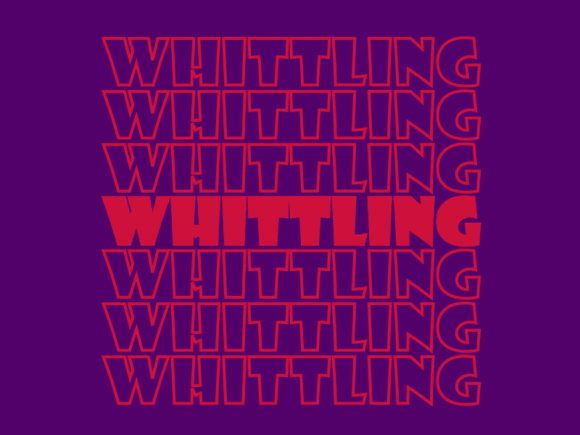
Whittling Svg Cut File: A Creative Tool for Modern Crafters
Whittling Svg Cut File is a versatile digital design tool that has become increasingly popular among crafters, designers, and DIY enthusiasts. These files are not just simple images—they are scalable vector graphics (SVGs) that allow for high-quality cutting on machines like Silhouette or Cricut. Whether you're creating custom invitations, personalized home décor, or intricate stickers, SVG cut files offer a level of precision and flexibility that traditional methods can't match.
What Makes Whittling Svg Cut File Unique?
Unlike raster images such as PNGs or JPEGs, SVGs are based on mathematical equations rather than pixels. This means they can be scaled to any size without losing clarity or detail. For creators who need to produce designs for multiple uses—whether it's for a small project or a large-scale production—this scalability is a game-changer.
Additionally, SVG cut files are fully editable. You can change colors, adjust shapes, and modify text directly within your design software. This level of customization allows for endless creative possibilities. Whether you're working on a personal project or designing for clients, the ability to tailor each element to your vision is invaluable.
Common Mistakes When Using Whittling Svg Cut File
While SVG cut files are powerful, many users make mistakes that can affect the final outcome. One common error is not checking the file format before downloading. Always ensure that the file you’re using is truly an SVG and not a different type of graphic. Some platforms may offer similar-looking files that aren’t compatible with your machine.
Another frequent mistake is not considering the resolution of the design. Even though SVGs are scalable, some designs may have complex details that don’t translate well when cut. It’s important to preview the file in your cutting software to see how it will look before committing to a physical project.
Some creators also overlook the importance of layering. If your SVG file contains multiple layers, it's crucial to understand how they interact. Poorly structured layers can lead to misalignment or incomplete cuts, which can be frustrating and time-consuming to fix.
How These Mistakes Affect Your Work
Mistakes in file selection or preparation can lead to wasted materials, time, and effort. For instance, if you download a low-resolution SVG and attempt to use it for a large project, the lack of detail might result in a less-than-ideal finished product. Similarly, improper layering can cause parts of your design to be cut incorrectly, leading to confusion during assembly.
These errors can also impact the overall efficiency of your workflow. If you're working on a tight deadline or managing multiple projects, having to redo parts of your design due to a mistake can be costly in terms of both time and resources.
Practical Advice for Better Results
To avoid these issues, always verify the file type and compatibility before downloading. Check the file description or contact the seller if you're unsure. Additionally, use reliable sources for your SVG files—many online marketplaces and design communities offer high-quality, well-structured files.
Before cutting, test your design on a small piece of material to ensure everything works as expected. This simple step can save you from potential headaches later on. Also, consider the complexity of your design. Simple shapes are generally easier to work with, especially if you're new to using SVG cut files.
If you're using a digital cutting machine, familiarize yourself with its settings and capabilities. Different machines have varying maximum sizes and cutting depths, so it's essential to know what your machine can handle. This knowledge will help you choose the right SVG file for your project.
Realistic Examples and Better Approaches
For example, if you're planning to create a custom banner for an event, start by selecting an SVG file that's designed for banners. Look for files that have clean lines and minimal detail, as these are more likely to cut accurately. Once you've downloaded the file, open it in your design software and check the layers to ensure everything is properly organized.
Another scenario involves creating personalized greeting cards. In this case, you might want to choose an SVG file that includes text elements. Make sure the text is clearly defined and easy to edit. If you're not satisfied with the default font, you can replace it with one that matches your design aesthetic.
By taking the time to review and prepare your SVG files, you'll significantly improve the quality and success of your projects. This attention to detail sets apart casual users from those who consistently produce professional-grade results.
What to Check Before Making a Decision
Before purchasing or downloading a Whittling Svg Cut File, ask yourself a few key questions. Is the file compatible with my machine? Does it include all the elements I need? Can I easily edit the design to fit my project? These questions can help you avoid unnecessary purchases and ensure you're getting the right file for your needs.
Also, consider the source of the file. Reputable designers and marketplaces often provide detailed descriptions and previews, which can give you a better idea of what to expect. Avoid files that seem too generic or lack clear instructions, as these can lead to frustration down the line.
Finally, think about your long-term goals. Are you looking for a one-time use or something that can be reused across multiple projects? Choosing the right SVG file now can save you time and money in the future.